Customers and employees should both have the right to feel safe when visiting a public location. Be it an office building or a shopping mall, security guards are usually present to help control crowds and deter criminals. Their presence offers peace of mind and makes everyone feel a lot safer.
But how do we know that these security guards are qualified professionals that are looking out for our safety? Can we really trust their skills and are they managed by trustworthy people that have operational experience?
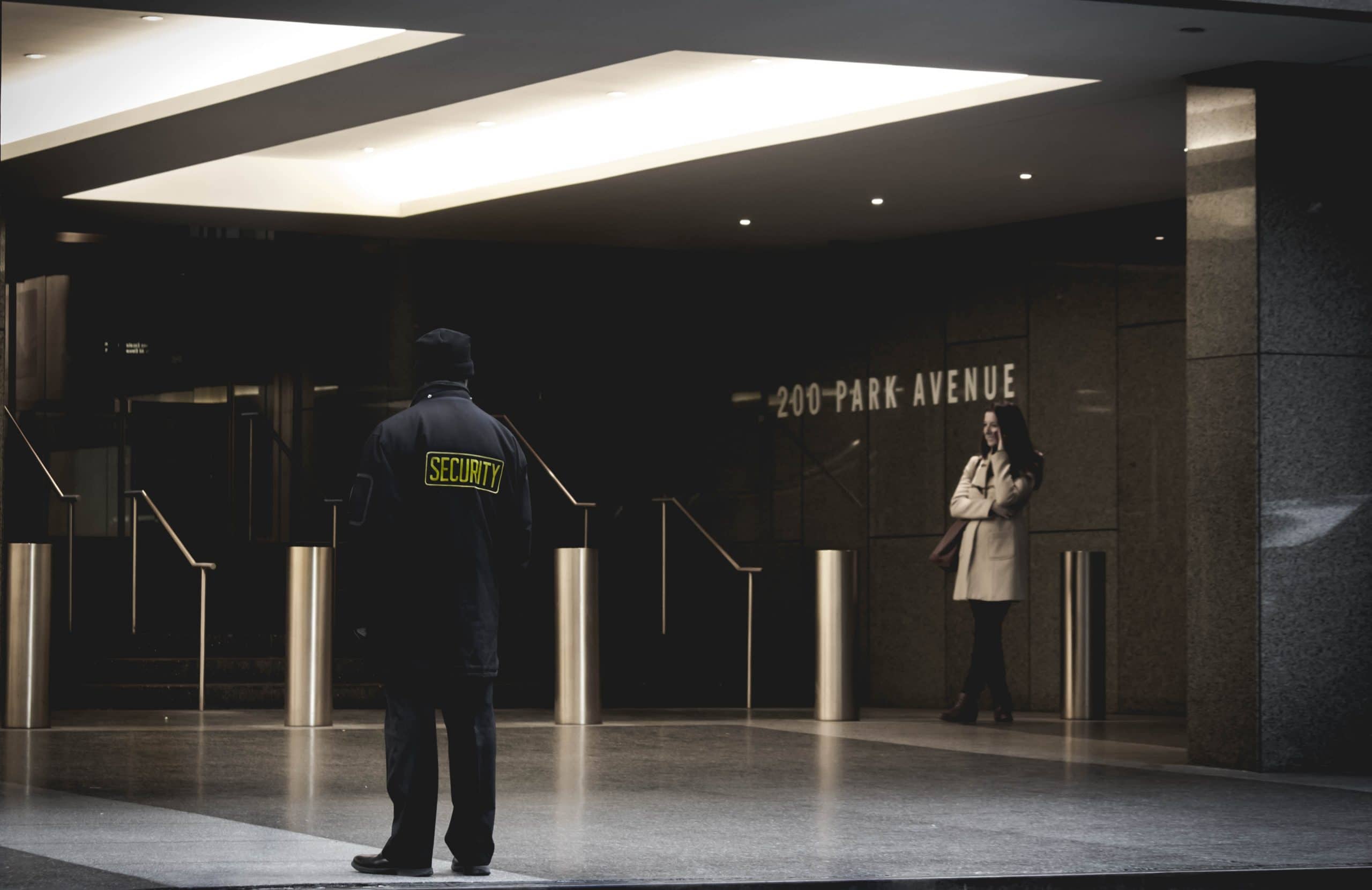
Source: https://unsplash.com/photos/8FxJi5wuwKc (CC0)
Many people working in the security industry are underskilled
Approximately 95% of people working in the security industry only have a Certificate II in Security Operations. This is the minimum requirement to successfully obtain a license to work as a security guard or for crowd control. If you have a Certificate II in Security Operations, then you’re eligible to work in areas such as aviation, hotels, major events, casinos, nightclubs, monitoring, and as a guard.
Having this certificate means that you’re able to progress into further roles such as armed guarding, close protection, guard dog handling, and also control room operations. However, many of these roles will require further instruction and training as well. For instance, it may involve firearms training, property protection, or even understanding legislation to learn safe restraint techniques and arrest powers.
Unfortunately, many security guards don’t go on to learn additional skills or gain experience. This makes it difficult for them to acquire additional skills and it can cause difficulties when faced with uncommon or dangerous situations.
Why do security personnel become stagnant?
Since an individual only needs a Certificate II in Security Operations, there is little incentive to continue learning new skills. Security personnel only need to continue their education if they want to climb up the career ladder and land a senior position, or if they want to work in different scenarios such as close protection or dog handling.
Another reason is that many security personnel tend to join the industry for secondary employment. Many people are able to earn their Certificate II in Security Operations and then immediately land a job. This can supplement their income, especially if they’re able to work late hours that don’t conflict with their day job. As such, security firms often see high turnover rates.
The security industry is professional, but few have the experience to run a major security operation
There are clear rules and regulations around the security industry in Australia. In fact, the ASIAL Security Industry Licensing Report in 2020 showed that there are roughly 150,000 individual security license holders and over 11,000 security firm and Master License holders.
The ASIAL Security Industry Licensing Report in 2021 also showed that there was almost a 4% increase in the number of licensed security personnel in the past 12 months, but the number of security firms and Master License holders actually fell over the year. This shows that security firms are closing, possibly due to the global health crisis that occurred throughout 2020 and 2021.
It’s clear that the industry is a serious one that values certifications and qualifications, but there are a number of factors that make it less professional than it could be. In order for the world of security to stay up-to-date and maintain a strong sense of professionalism, things need to change.

Source: https://unsplash.com/photos/JX9slYyUgC0 (CC0)
Improvements that security firms could be making
So how can the world of security stay updated? There are several improvements that the security world could be making in order to match the pace of the cybersecurity side.
Encouraging staff to learn new skills
The security industry is seen as a secondary source of income for many. This is mainly because it has a reputation for being a dead-end job with no path for progress. As such, it’s a good idea to show your security personnel that there are opportunities for advancement. They could be promoted to a senior management position or they could manage other security personnel in a control room. Some firms could also offer armed personnel for close protection, but this will require staff to learn new skills such as managing firearms.
Identifying trustworthy and longstanding employees
It’s important to make a single person responsible for overseeing security efforts. This person must be trustworthy and they must have a longstanding history with the security firm. This person should be trained professionally and it helps to place them in situations where they can learn from experience. The security industry experiences many situations that are difficult to predict and it’s important to expose senior security staff to uncomfortable circumstances. This helps them gather more experience and encourages them to continuously refine their skills.
Help staff understand the myriad of qualifications available
Security staff often forget about additional skills that they can learn in order to improve their career outlook. Many people stop after they have earned their Certificate II in Security Operations and they aren’t aware of the extra skills that they can learn. Security personnel should periodically be reminded that there are many other employment and training opportunities available to them beyond the basic entry-level requirement.
Examples of further learning include armed guarding, close protection, control room operations, and handling guard dogs. Security officers can also be trained to work alone with more autonomy, but they can also undergo team-based training depending on the circumstances and the employment opportunities available to them.
Conclusion
The world of security is steadily advancing when it comes to cybersecurity and digital threats. However, the world of physical security has been lagging behind and is often forgotten. This is mainly because people see security jobs as a secondary source of income instead of a career path with opportunities for advancement. This can change, but it requires security firms and educators to be more proactive by encouraging security personnel to undergo further studies to fulfil roles such as management.